.svg)


Quick Take: If you feel exhausted by the idea of "grabbing coffee" with a friend you love, you aren't a bad person - you're just using a broken system. We are trying to build village-style intimacy using corporate logistics. Here is how to stop "administering" your friendships and start actually enjoying them.
Valentine’s day has just passed and many of us are coming down from the high of celebrating love.
But from the hangover, we have lessons to learn.
While special occasions make for lovely memories, most of us instinctively understand that serious romantic relationships cannot survive on dates alone.
Fancy dinners and cinema trips are great for keeping the mystery alive, but they are not enough to sustain a life together.
We know that real bonds are built in the unglamorous hours of living life side-by-side. It isn't about the highlights. It's about the mundane joy of simply existing in the same space.
We accept this logic for our partners. Yet, bizarrely, we expect our friendships to thrive on the exact 'special occasion' energy we reject for our romance.
There is a specific physical cringe I feel when someone says, “We should grab coffee sometime.”
It is the most soulless phrase in the modern lexicon. It sounds like an invitation, but it’s actually a stalling tactic, a polite way of saying, “I like you in theory, but the logistical nightmare of actually coordinating a time to see you is too much for my current mental state, so let's just agree to this vague fiction instead.”
When this inevitably leads to plans falling through or months of back-and-forth, we assume the problem is us - that we are bad friends, or we’re flaky, or we just don't care enough.
But after carefully dissecting what actually happens when we do this, I can safely say the problem isn’t a lack of love. It’s the fact that we treat modern friendship like an administrative task.
We’re trying to build deep, village-style intimacy using corporate logistics. And then we wonder why we feel lonely while being surrounded by people.
Here is the anatomy of a typical catch-up over coffee or drinks:
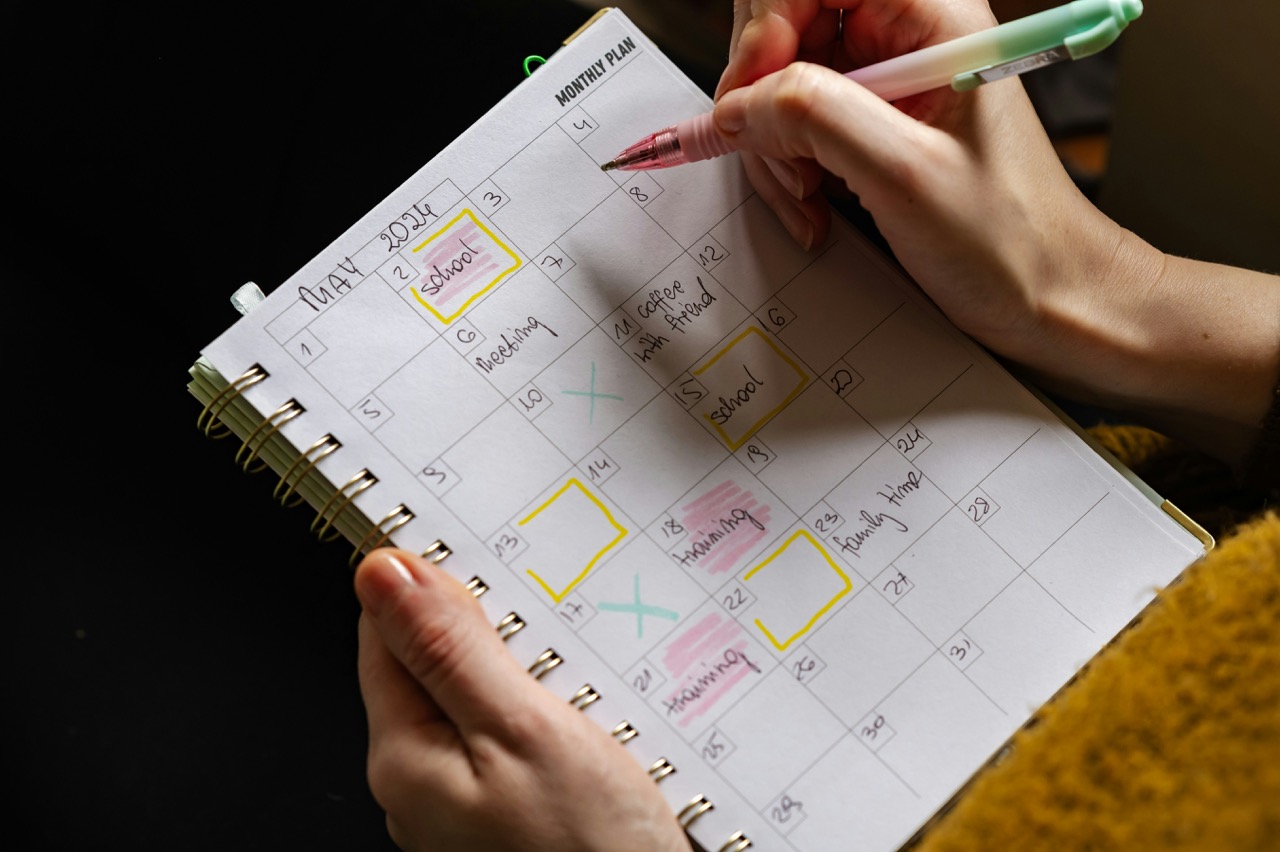
First, you spend three days going back and forth via text. “Tuesday? No, I have yoga. Wednesday? I’m working late. Next week?”
When you finally settle on a day, it’s time to worry about suitable locations. Is it too far? Is it too expensive? Do we need to book in advance? The decision fatigue sets in before you’ve even put on your shoes.
The day before, the dread sets in - you’ve had a long week. So you calculate the ROI. Is this conversation worth the €15 Bolt, the 45 minutes of transit, and the energy I have left?
And worst of all, if you actually make it, you spend 90 minutes just exchanging life summaries. I went to Barcelona. I moved apartments. I broke up with my partner.
This isn’t intimacy. It’s a mini press conference.
Because of the colossal activation energy required to set up these catch-ups, we only do them every three or four months. We feel guilty, or we tell ourselves that some friends are meant to be “seasonal” - as if it’s simply human to drift apart from everyone in our lives.
But you aren't a bad friend. You’re trapped in an opt-in model of friendship - every single time you want to connect, you have to go through an entire series of high-friction decisions.
We seem to have this cultural hangover from TV shows like Friends and How I Met Your Mother.
We want that Central Perk energy - the ability to walk into a room and know our people are there. We look at our isolated city lives and think, “Why is my social life so hard when theirs was so easy?”
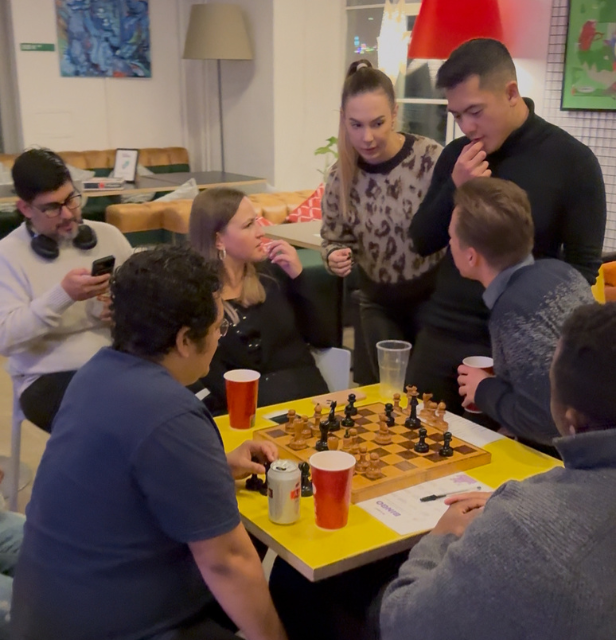
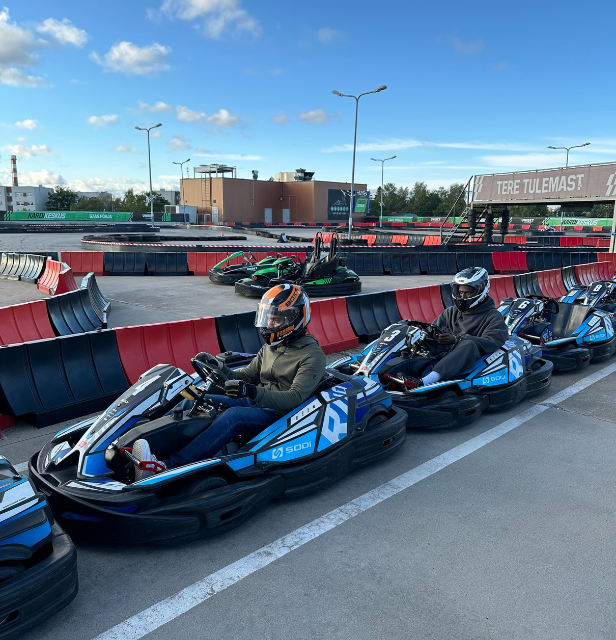
But we forget why it worked. It wasn't because Ross and Rachel were better people than us. It was because they accidentally ticked every single box of the Friendship Formula:
In modern cities, most friendships have none of these things.
We live across the city (no proximity). We need 3 weeks to plan a meetup (scheduling). We sit and talk, but we rarely do anything together (no activity). And because of the friction, we see each other very irregularly (no recurrence).
We are trying to build deep friendships by treating them like work meetings. But the math doesn't add up.

If you want to stop feeling lonely, you need to flip the way you approach your friendships.
Think about your Netflix or Amazon Prime subscription. Once you subscribe, it’s there unless you cancel; it’s your new default.
Think about how much easier it would be for you not to use these services if you had to decide to buy them again every month. These companies rely on the fact that opting out every month is too much friction, so you might as well keep using it.
What if you flipped the script and treated your friendships this way?
When my sister and I both lived in London, we used to have Wednesdays. Every Wednesday afternoon, we met. Same time, same spot. Sometimes we got coffee, sometimes we walked, sometimes we went on little side quests.
We didn’t have to text on Monday to ask, “Are you free?” We didn’t have to negotiate venues. If one of us couldn’t make it, we had to opt out. But connection was the default.
This “subscription” model lowers the activation energy to zero. It removes the decision fatigue. And crucially, it allows for boring hangouts.
When you only see a friend once every four months, you feel pressure to "perform.” You have to be entertaining. You have to have news.
But you can’t keep up a mask every single Wednesday - eventually, you’re going to be tired, grumpy, real.
And that is where intimacy actually lives. Not in the curated edit, but the raw, unscripted footage.

There is a dangerous side effect to the "occasional coffee" friendship: the context gap.
When you only see someone’s highlight reel on Instagram or hear their polished life summary over a latte, you don’t know what’s actually happening to them. I have a friend, let’s call her Jane. A little while after a hangout, she stopped replying to my texts for three months.
In the absence of context, my brain filled in the gaps with paranoia: She hates me. I did something wrong.
It wasn’t until I mentioned this to a mutual friend that I found out I wasn’t alone - her texts were also being ignored. After staging an intervention, it turned out that Jane was drowning. She was dealing with verbal abuse at work, financial debt, and a housing crisis all at the same time.
She wasn’t ghosting me; she was surviving.
If we had had a shared context - if I saw her at a weekly yoga class or a recurring dinner - I would have seen the bags under her eyes. I would have seen her snap at a cashier or miss a bus. I would have known she was in trouble, not being rude.
Friendship that’s mostly online breeds paranoia.
In-person, recurring consistency breeds empathy. You need to see people interacting with the world - running for the train, buying groceries, or enjoying their favourite hobbies - to know their baseline and therefore to know if something’s up.

We think we need more time to see our friends. We don’t. We need better systems. If you’re tired of the "let's grab coffee" cycle, stop playing the game. Don't ask your friend when they’re free. They aren't free. They are just as overwhelmed as you are.
Instead, offer them a routine.
We know that true love is more than just the date night - it's also the Wednesday morning reality. So stop trying to "date" your friends with high-pressure, sporadic catch-ups.
Make connection the default. Make it boring. Make it recurring. Because you can’t schedule spontaneous intimacy, but you can schedule the space for it to happen.
Rooting for the Real You,
Hanna from Pulse